
What is Oxygen Sensor
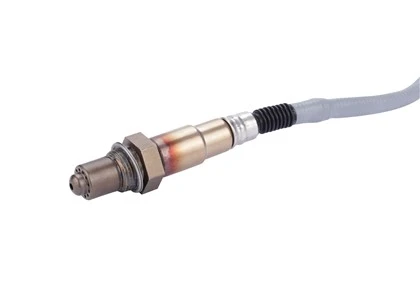
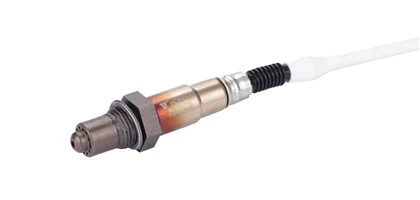
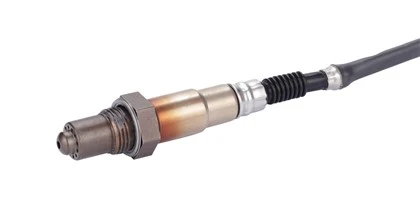
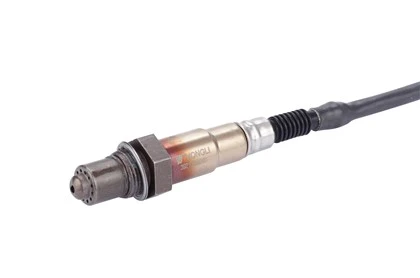
An oxygen sensor, commonly known as an O2 sensor, is a crucial component in the modern automotive and environmental monitoring systems. Installed in the exhaust system of vehicles, the primary function of an oxygen sensor is to measure the level of oxygen in the exhaust gases produced by the combustion of fuel in the engine. This information is essential for optimizing the air-fuel mixture, ensuring efficient combustion, reducing emissions, and improving fuel efficiency. The sensor generates voltage signals based on the oxygen concentration, providing feedback to the engine control unit (ECU), which can then adjust the fuel injection to maintain the ideal air-fuel ratio. In environmental applications, oxygen sensors are also employed to monitor and control air quality, contributing to the reduction of harmful pollutants. The precision and reliability of oxygen sensors play a pivotal role in enhancing both vehicle performance and environmental sustainability.
Advantages of Oxygen Sensor
Optimization of air-fuel mixture
Oxygen sensors enable real-time monitoring of the oxygen content in exhaust gases, allowing for precise adjustment of the air-fuel mixture. This optimization ensures efficient combustion in internal combustion engines, leading to improved fuel efficiency and reduced emissions.
Emission reduction
By continuously adjusting the air-fuel ratio based on oxygen levels, oxygen sensors play a crucial role in minimizing harmful emissions from vehicles. This contributes to compliance with environmental regulations and helps in creating more environmentally friendly and cleaner-running engines.
Enhanced fuel efficiency
Oxygen sensors contribute to better fuel efficiency by enabling the engine control unit (ECU) to maintain an optimal air-fuel ratio. This efficient combustion results in improved mileage and reduced fuel consumption, benefiting both vehicle owners and the environment.
Performance optimization
Vehicles equipped with oxygen sensors often experience enhanced overall performance. The sensors enable the ECU to adjust parameters dynamically, ensuring that the engine operates at peak efficiency under varying driving conditions, promoting smoother and more responsive performance.
-

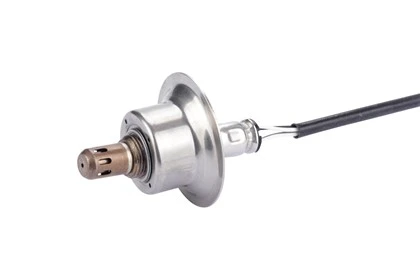
Oxygen Sensor for New Buick Envision, Chevrolet Cruze /12...
Add to Inquiry -
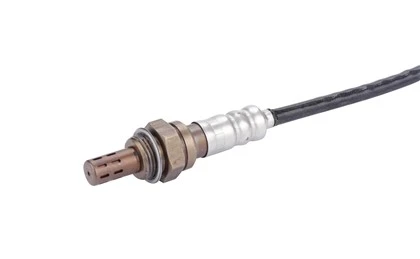
Oxygen Sensor for Chevrolet Cruze/ 55562206 / 0 258 010 065
Add to Inquiry -
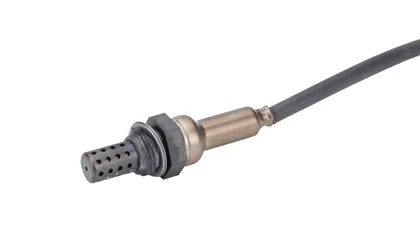
Oxygen Sensor for Buick Yinglang/ 24108513 / F 01R 00C 067
Add to Inquiry -
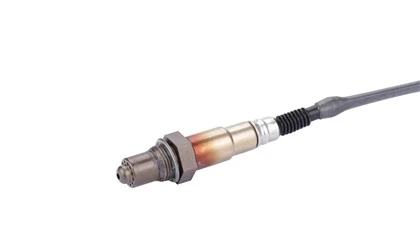
Oxygen Sensor for Ford Focus /3M51-9F472-DC/ 0 258 006 605
Add to Inquiry -
Oxygen Sensor for Ford Escape/ BV61-9G444-BA/ 0 258 010 245
Add to Inquiry -
Oxygen Sensor for Kia Sumai (imported)/ 39210-2B040
Add to Inquiry -
Oxygen Sensor for Hyundai Sonata Yuxiang /39210-25300
Add to Inquiry -
Oxygen Sensor for Hyundai IX45 /39210-2G700
Add to Inquiry -
Oxygen Sensor for Hyundai Yazun (imported) /39210-3C400
Add to Inquiry -
Oxygen Sensor for Kia K5 /39210-2E150
Add to Inquiry -
Oxygen Sensor for Hyundai Velax (imported) /39210-3C600
Add to Inquiry -
Oxygen Sensor for Volkswagen Touareg 06E 906 262 H
Add to Inquiry


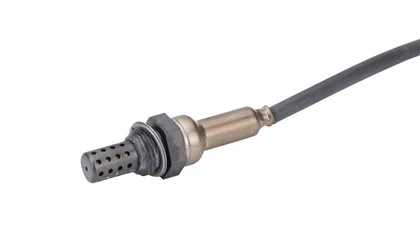
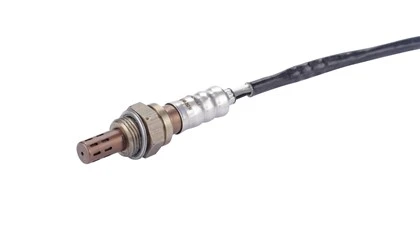
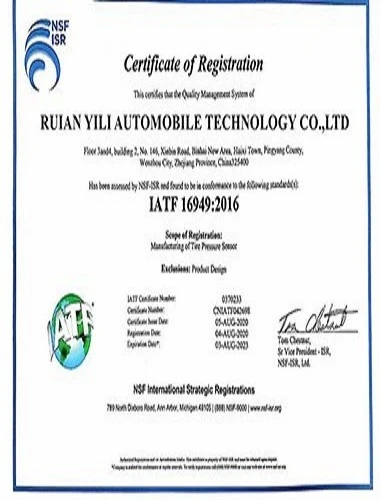
Certifications

Our Factory
Ruian Yili Automobile Technology Co., Ltd. is a modern company specializing in R&D and production of oxygen sensors, temperature control switches, ABS wheel speed sensors, camshaft position sensors, crankshaft position sensors, water temperature sensors, oil pans, and intake manifolds. And has a complete and scientific quality management system, advanced testing platform and strong R&D team. And since 2013, the company has invested heavily in jointly developing oxygen sensors, zirconium cores and heating rods with domestic authoritative institutions, and has its own complete set of automated production equipment, a complete sensor R&D platform and special testing equipment for test platforms.


Why Choose US
Professional team
Our professional team collaborate and communicate effectively with one another, and are committed to delivering high-quality results. They are capable of handling complex challenges and projects that require their specialized expertise and experience.
Innovation
We are dedicated to improving our systems continually, ensuring that the technology we offer is always cutting edge.
One stop solution
We can offer a range of services, from consultation and advice to product design and delivery. It is a convenience for the customers, as they can get all the help they need in one place.
24h online service
We try and respond to all concerns within 24 hours and our teams are always at your disposal in case of any emergencies.
Types of Oxygen Sensor
Zirconia oxygen sensor (zirconium dioxide sensor)
Zirconia sensors are widely used in automotive applications. They consist of a zirconium dioxide ceramic element, which generates a voltage signal based on the difference in oxygen levels between the exhaust gas and ambient air. This voltage signal is used by the engine control unit (ECU) to adjust the air-fuel mixture.
Titania oxygen sensor (titanium dioxide sensor)
Titania sensors utilize a titanium dioxide ceramic element. Similar to zirconia sensors, they generate a voltage signal proportional to the oxygen concentration. Titania sensors are less common than zirconia sensors and are often used in specific industrial applications.
Wideband oxygen sensor (lambda sensor)
Wideband sensors are designed to provide a more accurate and broader range of air-fuel ratio measurements. They use an advanced detection method, typically based on a planar zirconia element, allowing for precise control of the air-fuel mixture over a wide range, which is particularly important in high-performance and fuel-efficient engines.
Heated oxygen sensor (ho2s or o2S)
Heated oxygen sensors incorporate an internal heater to reach operating temperature quickly. This feature enhances sensor responsiveness during cold starts and improves accuracy in measuring oxygen levels. Most modern vehicles use heated oxygen sensors.
Non-dispersive infrared (NDIR) sensor
NDIR sensors measure oxygen concentration by analyzing the infrared light absorbed by the gases. This type of sensor is often used in industrial and environmental monitoring applications, providing precise measurements in various settings.
Electrochemical oxygen sensor
Electrochemical sensors use a chemical reaction to generate an electrical current proportional to the oxygen concentration. They are commonly employed in medical devices, industrial gas detectors, and portable oxygen analyzers due to their accuracy and sensitivity.
How Does an Oxygen Sensor Work
An oxygen sensor, also known as an O2 sensor, plays a critical role in monitoring and regulating the air-fuel mixture in internal combustion engines. Typically found in the exhaust system of vehicles, the sensor operates on the principle of generating a voltage signal based on the concentration of oxygen in the exhaust gases.The most common type of oxygen sensor is the zirconia oxygen sensor. It consists of a zirconium dioxide (ZrO2) ceramic element sandwiched between two platinum electrodes. The outer layer of the ceramic element is exposed to the exhaust gases, while the inner layer is exposed to ambient air. This creates a concentration gradient that forms the basis for the sensor's operation.As the exhaust gases pass over the outer surface of the zirconia element, oxygen ions from the exhaust gas move through the ceramic to the inner surface exposed to ambient air. This results in the creation of a voltage potential between the two platinum electrodes. The magnitude of this voltage is directly proportional to the difference in oxygen concentration between the exhaust gas and the surrounding air.
The generated voltage signal is sent to the engine control unit (ECU), which interprets the information to determine the air-fuel ratio. In response to this feedback, the ECU adjusts the fuel injection to achieve and maintain the optimal air-fuel mixture for combustion. This continuous cycle of sensing and adjustment allows the engine to operate efficiently, ensuring complete combustion, minimizing emissions, and optimizing fuel efficiency.Heated oxygen sensors, commonly used in modern vehicles, incorporate an internal heating element. This heater brings the sensor to its operating temperature quickly, enhancing its responsiveness, especially during cold starts. The rapid attainment of the required temperature is crucial for accurate sensor readings and effective closed-loop control.
Why Is an Oxygen Sensor Important
An oxygen sensor holds paramount importance in modern automotive and environmental systems due to its crucial role in optimizing engine performance, reducing emissions, and enhancing fuel efficiency. Placed strategically in the exhaust system of vehicles, the oxygen sensor continuously monitors the oxygen concentration in the exhaust gases resulting from the combustion of fuel in the engine.
The primary significance of the oxygen sensor lies in its ability to provide real-time feedback to the engine control unit (ECU) regarding the air-fuel mixture. By analyzing the oxygen levels in the exhaust gases, the sensor enables the ECU to dynamically adjust the fuel injection, ensuring that the air-fuel ratio remains at the optimal level for efficient combustion. This fine-tuned control not only enhances fuel efficiency but also contributes to the reduction of harmful emissions, as a precisely balanced mixture results in more complete combustion.
Moreover, the oxygen sensor plays a pivotal role in the functionality of catalytic converters. These devices rely on accurate oxygen sensor readings to facilitate the conversion of harmful pollutants, such as nitrogen oxides and carbon monoxide, into less harmful substances before they are released into the environment. In this way, the oxygen sensor becomes a linchpin in the overall effort to minimize the environmental impact of vehicular emissions and promote cleaner air.
Additionally, the efficiency and performance of modern engines heavily depend on the continuous feedback loop provided by the oxygen sensor. This sensor aids in preventing issues such as incomplete combustion, which could lead to increased fuel consumption, engine damage, and higher emissions. Its contribution to maintaining an optimal air-fuel ratio under various driving conditions ensures that the engine operates smoothly, with improved responsiveness and longevity.
How Do You Test an Oxygen Sensor
Visual Inspection
Conduct a visual inspection of the sensor and its wiring. Look for physical damage, corrosion, or loose connections. Damaged wires or connectors can impact the sensor's performance.
Resistance Check
Measure the resistance of the oxygen sensor using a multimeter. Refer to the sensor's specifications to ensure the measured resistance falls within the expected range. Deviations may indicate a faulty sensor.
Voltage Testing
Use a digital multimeter to check the voltage output of the oxygen sensor. Start the engine and let it idle while probing the sensor's signal wire. The voltage should fluctuate between 0.1 and 0.9 volts in a regular pattern. Consistent voltage readings may indicate a functional sensor.
Response Time Test
Observe the sensor's response time by rapidly increasing and decreasing the engine's RPM. A healthy oxygen sensor should quickly respond to changes in engine speed, with voltage readings adjusting accordingly. A sluggish response may signal a malfunction.
Scan Tool Diagnostics
Connect an OBD-II (On-Board Diagnostics) scan tool to the vehicle's OBD-II port. Monitor live data to check the oxygen sensor's readings in real-time. An effective sensor should exhibit oscillating voltage patterns, indicating proper air-fuel mixture control.
Heat Test
Use a propane torch to gently heat the sensor's tip while monitoring voltage readings. A functional oxygen sensor should respond to the increased temperature by generating higher voltage. If the sensor fails to respond or exhibits erratic behavior, it may be faulty.
Materials Used in Oxygen Sensor
Sensing element material
The sensing element is typically made of zirconium dioxide (ZrO2). Zirconia-based sensors are prevalent due to their ability to generate a voltage signal proportional to oxygen concentration, offering high thermal stability and responsiveness.
Protective housing material
The protective housing that encases the sensing element is commonly constructed from materials such as stainless steel. Stainless steel provides durability and corrosion resistance, ensuring the sensor's longevity in the harsh environment of the exhaust system.
Electrodes material
The electrodes within the oxygen sensor are often made of noble metals, with platinum being a common choice. Platinum electrodes offer excellent electrical conductivity and corrosion resistance, ensuring accurate and reliable signal transmission.
Insulation material
In heated oxygen sensors, insulation materials are crucial to maintaining optimal operating temperatures. Common insulating materials include alumina (aluminum oxide) ceramics and other high-temperature-resistant compounds.
Heating element material (in heated sensors)
Heated oxygen sensors incorporate a heating element to reach operating temperature quickly. The heating element is typically made from materials with high electrical resistance, such as ceramic or specific metal alloys, capable of withstanding elevated temperatures.
Connector material
Connectors and terminals on the oxygen sensor are often made from materials with good electrical conductivity and resistance to corrosion. Common connector materials include brass or other corrosion-resistant alloys, ensuring reliable electrical connections.
How Do You Install an Oxygen Sensor
Locate the oxygen sensor
Identify the location of the oxygen sensor in the vehicle's exhaust system. The sensor is typically situated either in the exhaust manifold or downstream in the exhaust pipe.
Ensure compatibility
Confirm that the replacement oxygen sensor is compatible with the vehicle's make, model, and engine specifications. Check the part number and specifications to match the requirements of the vehicle.
Disconnect the battery
Before starting the installation, disconnect the vehicle's battery to ensure safety. This prevents electrical issues and protects against potential short circuits during the installation process.
Prepare the vehicle
Elevate the vehicle using a jack and secure it with jack stands. Access to the oxygen sensor may require removing protective covers or shields from the exhaust system.
Remove the old sensor
Carefully disconnect the electrical connector from the old oxygen sensor. Use an appropriate oxygen sensor socket or wrench to loosen and remove the sensor from its mounting location. Exercise caution, as the sensor and surrounding components may be hot.
Install the new sensor
Apply an anti-seize compound to the threads of the new oxygen sensor to facilitate future removal. Carefully thread the new sensor into the mounting location by hand to avoid cross-threading. Once hand-tightened, use the oxygen sensor socket or wrench to secure it snugly.
Reconnect the electrical connector and battery
Reconnect the electrical connector to the new sensor. Ensure a secure and proper connection. Reconnect the vehicle's battery, tightening the terminals securely.
The Production Process of Oxygen Sensor
Sensing element manufacturing
The sensing element, often made of zirconium dioxide (ZrO2), is produced through a meticulous manufacturing process. Zirconia ceramics are shaped, treated, and sintered to form a stable and high-temperature-resistant sensing element.
Electrode fabrication
Noble metals, commonly platinum, are used to create the electrodes. The electrodes are carefully manufactured and attached to the sensing element. This process requires precision to ensure optimal electrical conductivity and resistance to corrosion.
Housing construction
The protective housing is typically made from stainless steel or other corrosion-resistant alloys. The housing is formed and assembled to encase the sensing element securely. This step involves creating a sealed and durable enclosure to protect the sensor from external factors.
Heating element integration (for heated sensors)
If the oxygen sensor is of the heated type, a heating element is integrated into the sensor design. This element is often made of ceramic or specific metal alloys capable of withstanding high temperatures. The integration of the heating element ensures the sensor quickly reaches its operating temperature during engine startup.
Assembly and calibration
The individual components, including the sensing element, electrodes, housing, and heating element (if applicable), are assembled into the final oxygen sensor. Calibration processes are performed to ensure accurate and consistent sensor readings.
Quality control and testing
The completed oxygen sensors undergo rigorous quality control measures. Testing involves simulating various operating conditions, including temperature extremes and different air-fuel ratios, to verify the sensor's accuracy and responsiveness. Sensors that pass quality control are then ready for packaging and distribution.
How Often Should an Oxygen Sensor Be Replaced
The frequency of oxygen sensor replacement depends on various factors, including the vehicle's make and model, driving conditions, and the type of sensor used. Generally, it is recommended to replace oxygen sensors every 60,000 to 100,000 miles (96,000 to 160,000 kilometers) or when symptoms of sensor degradation arise. Signs of a failing oxygen sensor include decreased fuel efficiency, rough idling, engine misfires, increased emissions, and the illumination of the check engine light. Regular maintenance schedules outlined in the vehicle's service manual can provide specific recommendations for sensor replacement intervals. However, monitoring the sensor's performance and addressing issues promptly is crucial for maintaining optimal engine efficiency and emission control.
How Do You Clean an Oxygen Sensor
Remove the sensor
Disconnect the oxygen sensor from the vehicle's exhaust system. Depending on the sensor's location, you may need to use a socket wrench or a special oxygen sensor socket to carefully remove it.
Inspect for contaminants
Examine the sensor for visible contaminants such as soot, oil, or other debris. Note any build-up on the sensor's tip or threads that could be affecting its performance.
Clean with a wire brush
Gently use a wire brush to remove loose debris and contaminants from the sensor's tip and threads. Be cautious not to damage the delicate sensing element or electrodes during this process.
Soak in sensor-safe cleaner
Submerge the sensor in a sensor-safe cleaning solution. Avoid using harsh chemicals or solvents that could damage the sensor. Allow the sensor to soak for a recommended period, typically following the cleaner manufacturer's instructions.
Rinse and dry
After soaking, rinse the sensor thoroughly with clean water to remove any remaining cleaning solution. Ensure the sensor is completely dry before reinstallation to prevent potential damage when exposed to heat.
Reinstall and monitor
Carefully reinstall the oxygen sensor back into the exhaust system. Ensure it is securely tightened to the recommended torque specifications. Monitor the sensor's performance after cleaning to assess if there is an improvement in engine efficiency and emission control.
How Do Oxygen Sensors Affect Fuel Economy
Oxygen sensors play a crucial role in influencing fuel economy by actively contributing to the optimization of the air-fuel mixture in an internal combustion engine. These sensors are strategically placed in the exhaust system of vehicles and continuously monitor the levels of oxygen in the exhaust gases.
The primary function of an oxygen sensor is to provide real-time feedback to the engine control unit (ECU) regarding the air-fuel ratio. By measuring the amount of oxygen in the exhaust gases, the sensor helps the ECU adjust the fuel injection to maintain the ideal stoichiometric ratio for combustion, which is approximately 14.7 parts of air to 1 part of fuel.
When the air-fuel mixture is accurately controlled, combustion becomes more efficient. This efficiency results in a complete burn of the fuel, extracting the maximum energy from the fuel molecules. In turn, this optimized combustion process enhances the overall fuel economy of the vehicle.
Furthermore, oxygen sensors contribute to fuel economy by preventing the engine from running too rich or too lean. A "rich" mixture, with excess fuel, can lead to fuel wastage and decreased efficiency. On the other hand, a "lean" mixture, with insufficient fuel, can cause increased combustion temperatures, potentially leading to engine damage and higher emissions.
Application of Oxygen Sensor
01/
Automotive emission control
Oxygen sensors play a critical role in automotive emission control systems. Installed in the exhaust system of vehicles, they continuously monitor the oxygen levels in the exhaust gases, enabling the engine control unit (ECU) to adjust the air-fuel mixture for optimal combustion. This contributes to reduced emissions and compliance with environmental standards.
02/
Fuel efficiency improvement
In vehicles, oxygen sensors contribute to improved fuel efficiency by ensuring that the air-fuel ratio is precisely controlled. This optimization minimizes fuel wastage, enhances combustion efficiency, and leads to better mileage.
03/
Catalytic converter efficiency
Oxygen sensors are integral to the functioning of catalytic converters. By providing real-time feedback on the air-fuel ratio, they aid in optimizing the converter's performance, facilitating the conversion of harmful pollutants into less harmful substances.
04/
Industrial and environmental monitoring
Oxygen sensors find applications in various industrial and environmental monitoring systems. These sensors are employed to measure oxygen levels in manufacturing processes, combustion systems, and environmental chambers. They help maintain optimal conditions and ensure safety in industrial settings.
05/
Medical oxygen monitoring
Oxygen sensors are utilized in medical devices to monitor and control oxygen levels in respiratory equipment and incubators. These sensors play a crucial role in healthcare, ensuring accurate delivery of oxygen to patients and maintaining a controlled environment in medical facilities.
06/
Aerospace and aviation
Oxygen sensors are used in aerospace and aviation applications to monitor and regulate oxygen levels in aircraft cabins. This ensures the well-being of passengers and crew by preventing oxygen deficiency at high altitudes.
How Do You Calibrate an Oxygen Sensor
The initial step in calibrating an oxygen sensor is selecting a calibration gas with a precisely known concentration of oxygen. This calibration gas serves as the reference standard against which the sensor's output will be compared. The calibration gas should cover the entire measurement range of the sensor.The sensor is placed in a controlled environment, often within a calibration chamber or a specialized apparatus. This environment is designed to mimic the conditions the sensor will encounter during normal operation.
The calibration gas is introduced to the sensor in a carefully controlled manner. The sensor responds to the known concentration of oxygen in the calibration gas, and its output is compared to the expected values.Adjustments are made to the sensor's electronics or signal output to align its readings with the reference values. This adjustment process is typically carried out using calibration equipment and software designed for precise sensor calibration.
Multiple calibration points across the sensor's measurement range may be established to ensure accuracy at various oxygen concentrations. The calibration process is iterative, with adjustments being made until the sensor's output closely matches the reference values.For certain types of oxygen sensors, such as those used in medical or laboratory applications, the calibration process may involve two-point calibration using zero oxygen and full-scale oxygen conditions.
It's crucial to perform periodic calibrations, as the sensor's accuracy can drift over time due to environmental factors, aging, or exposure to contaminants. Regular calibration ensures that the oxygen sensor continues to provide accurate readings and maintains its reliability in diverse applications such as automotive emissions control, medical devices, and industrial processes. Calibration procedures may vary based on the sensor type, manufacturer specifications, and the specific requirements of the application.
How Do You Choose the Right Type of Oxygen Sensor for Your Vehicle
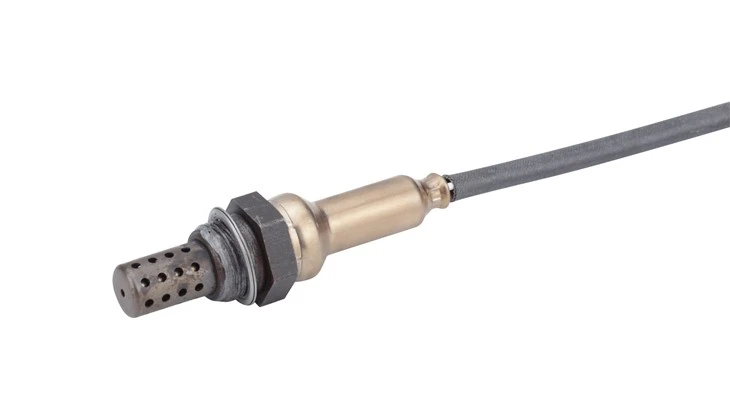
Sensor type
Understand the types of oxygen sensors available. Common types include zirconia sensors and wideband sensors. Zirconia sensors are standard in most vehicles and are suitable for maintaining the air-fuel ratio. Wideband sensors offer more precise measurements and are often used in high-performance or modified engines.
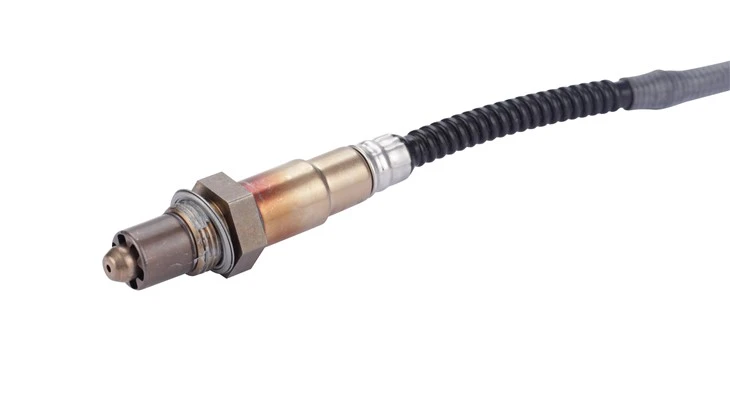
Vehicle compatibility
Check your vehicle's specifications and consult the manufacturer's recommendations to determine the compatible oxygen sensor type. Different vehicles may require specific sensor types based on their engine management systems and emission control technologies.
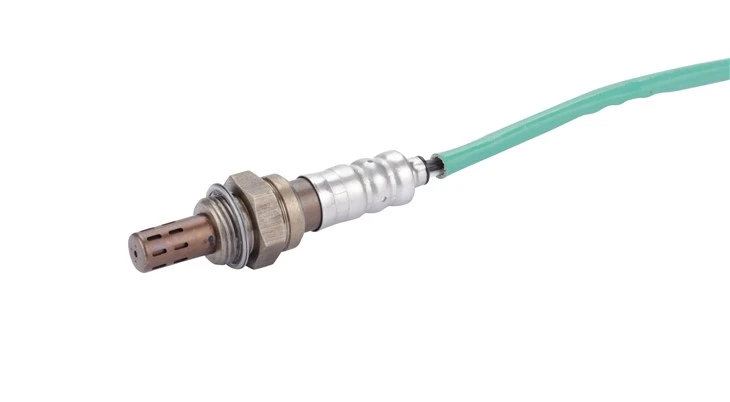
Number of wires
Oxygen sensors come in two, three, or four-wire configurations. The number of wires typically indicates the sensor's age and type. Older vehicles may use two or three-wire sensors, while modern vehicles often employ four-wire sensors for more accurate readings. Ensure compatibility with your vehicle's wiring system.
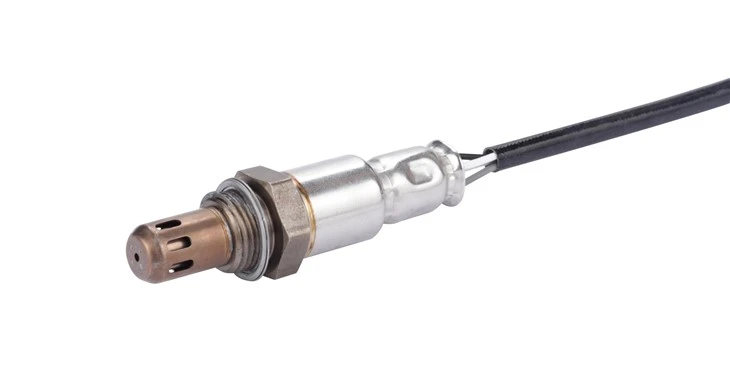
Heated vs. unheated
Decide whether your vehicle requires a heated or unheated oxygen sensor. Heated sensors have an internal heating element that allows them to reach operating temperature quickly, contributing to more accurate readings during cold starts. Many modern vehicles use heated sensors.
Maintenance Tips for Oxygen Sensor
Regular inspection
Periodically inspect the oxygen sensor for physical damage, such as frayed wires, corrosion, or contamination. Visual inspections can help identify early signs of deterioration and prevent more significant issues.
Check engine light response
Pay attention to the vehicle's dashboard for the illumination of the check engine light. If the light comes on, it could indicate a potential issue with the oxygen sensor. Promptly address any diagnostic trouble codes (DTCs) related to the sensor to prevent further complications.
Ensure proper installation
During replacement or installation, ensure that the oxygen sensor is correctly threaded and tightened to the specified torque. Proper installation helps prevent exhaust leaks and ensures the sensor's accurate readings.
Use the correct cleaner
If cleaning becomes necessary, use a sensor-safe cleaner specifically designed for oxygen sensors. Harsh chemicals can damage the sensor, so choose cleaners that are compatible with the sensor's construction materials.
Avoid contaminants
Protect the sensor from potential contaminants such as oil, coolant, and silicone-based products. These substances can coat the sensor's surface and affect its ability to accurately measure oxygen levels. Take care when using additives or sealants near the sensor.
Regular engine tune-ups
Perform regular engine tune-ups to ensure that the air-fuel mixture remains within the optimal range. A well-maintained engine is less likely to generate excessive emissions and reduces the strain on oxygen sensors.
FAQ
We're professional oxygen sensor manufacturers and suppliers in China, specialized in providing high quality customized service. We warmly welcome you to buy high-grade oxygen sensor made in China here from our factory.
BMW Oil Cooler Filter 11427508966, Oxygen Sensor 39210 2G700, Wuling Oxygen Sensor